Tag

Inclusive Cities Archives - Page 3 of 4 - SASDI Alliance

Community Voices: “In Tambo Square, residents did not give up”

By CORC, FEDUP, ISN, News No Comments

By Tambo Square community members (on behalf of ISN)

This blog was written by the community of Tambo Square in Mfuleni, Cape Town, namely: Babalwa Sabe, Nomaphelo Voyi, Nosikolise Swaphi,Asanda Kumbaca,Nokubonga Stefans,Lindiswa Lufefe,Ntandazo Mtshonono, Yoliswa Tsono,Tabisa Matiwane,Stutu Yamani,Nolusindiso Zakaza,Nomaphelo Zakaza,Ayanda Langa,Vangeliswa Sobamba,Phindile Faro and Nkosikhona Bangiso.

This is the third blog in the Alliance’s Community Voices series. Community Voices  shares community-narrated experiences that highlight the value of a people-led approach that is underpinned by an organised community structure. For the Alliance, a people-centred approach is crucial for building collaborative partnerships between local governments, informal settlement dwellers and other stakeholders. Through a series of workshops of collaborative documentation and story-telling, FEDUP and ISN members, with the support of CORC’s documentation team, produce community-generated documentation, as part of elevating the voice of the urban poor.

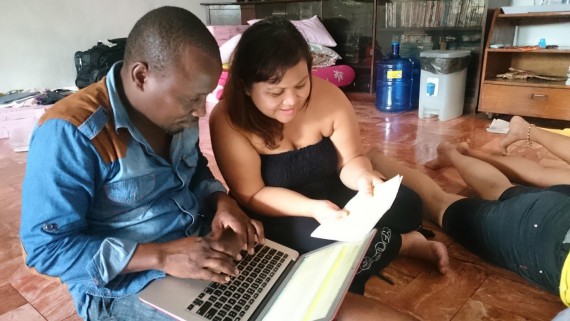
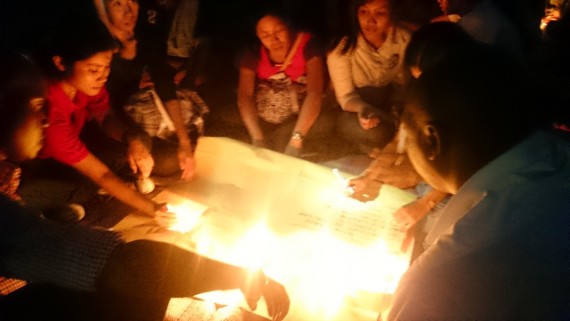
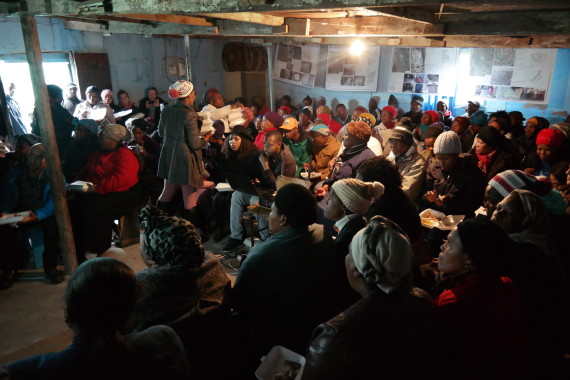
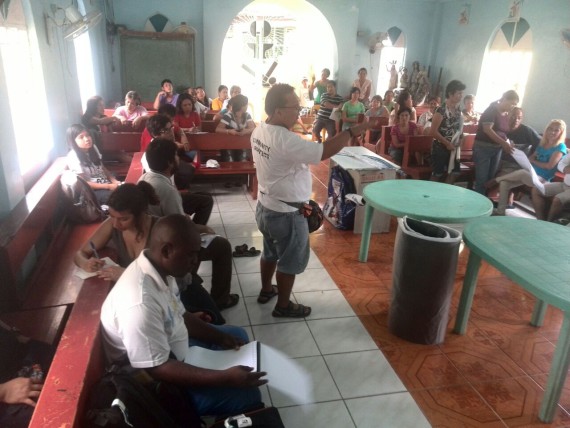
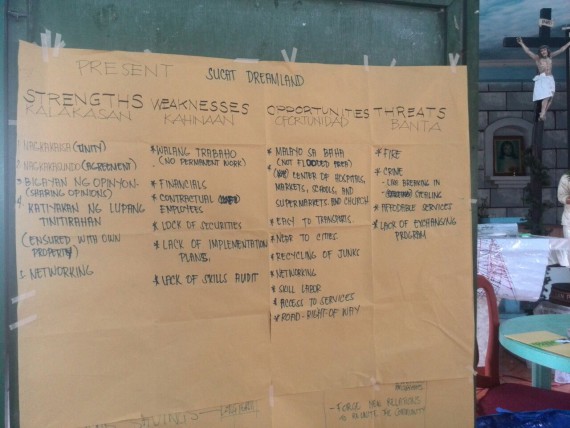
Documentation workshop at Tambo Square
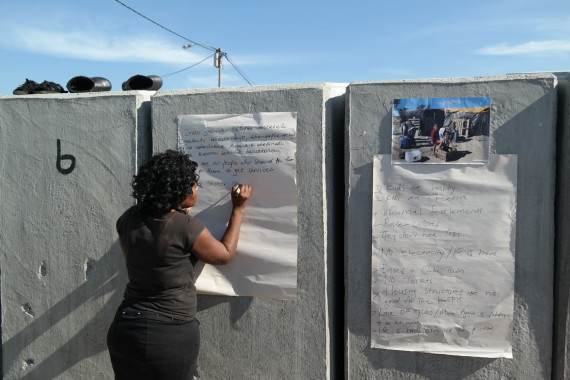
Documentation workshop at Tambo Square

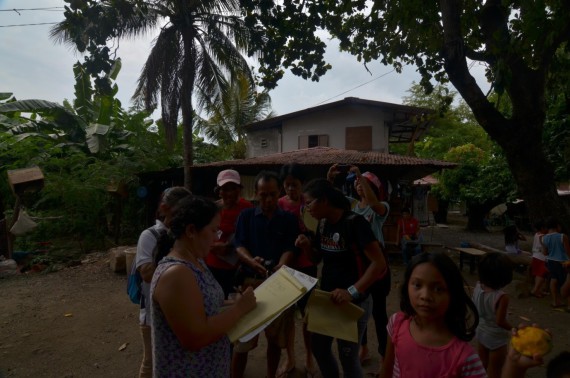
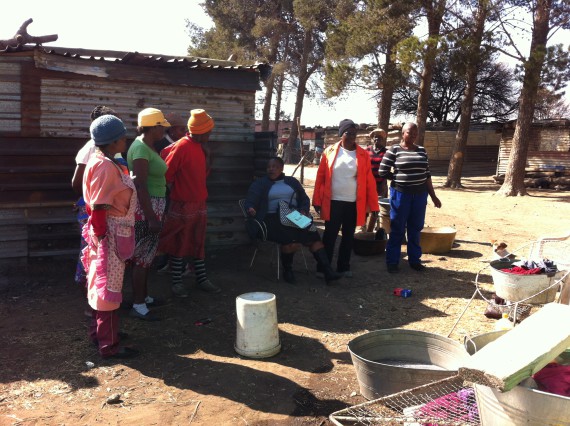
Community Documenting at Tambo Square

Community Documenting at Tambo Square

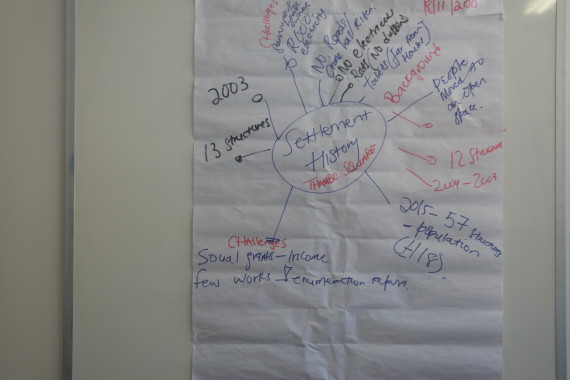
History of settlement

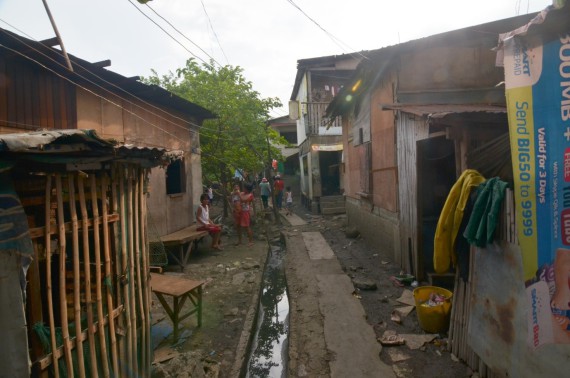
Tambo Square is situated in Tokwana Street and lies adjacent to the Sandra Child Centre in Extension 6 of Mfuleni. The 1846m² land size holds 60 households with a population of 119 people.

As residents of Tambo Square, we had different reasons for moving to the open space which is now called Tambo Square. Some of us were backyarders. When we saw an open space and decided to occupy it, some moved out from our surrounding family and saw a vacant land and occupied it. Others couldn’t afford renting anymore. When we saw people occupying the space, we then decided to join. In 2008 the City’s anti -land invasion unit demolished our structures, But residents didn’t give up and we decided to build our structures again.

“During winter season, this area gets flooded and our furniture gets ruined but the major issue is watching our children suffer because we can’t afford better homes for them.”

Nomaphelo Voyi, Community Leader of Tambo Square

Community of Tambo square doing house designs with technical team

Community Leaders Nomaphelo Voyi and Nkosikhona Bangiso plan the layout of their settlement with support form CORC technical team

Challenges

  • Electricity

Our biggest challenge is not having electricity. We need to find money every month to be able to connect illegally from the surrounding formal houses.  We spend almost R500 just to get our tap connected.

  • Toilets

The toilets are far for some of the residents and we have to walk quite a distance to access it. During night time or winter season we fear using them because the crime rate in Mfuleni is quite high.

  • Dustbins

We feel that our settlement would be much neater if we had dust bins to throw our unwanted materials.  Since we don’t have bins we now have rats due to people throwing dirt wherever they see a space. This is a health hazard for us.

  • Proper roads

Our settlement is dense, this makes it harder for emergency vehicles to come and help during time of need. If we can catch fire all our shacks would burn in the blaze. Another problem is because of the density of the area, criminals find it easy to do robberies here because one will not know where they went.

Tambo Square Writing and Story-Telling Workshop
Tambo Square Writing and Story-Telling Workshop

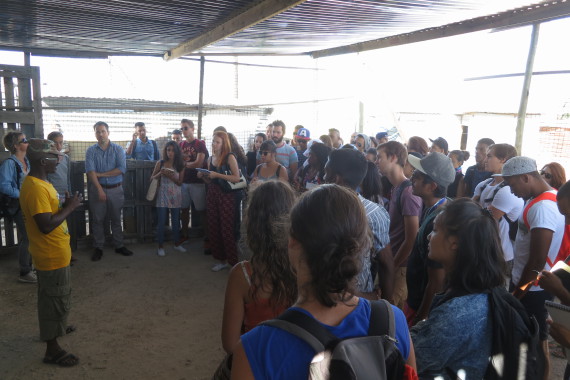
documentation workshop in Tambo Square

Documentation workshop in Tambo Square

How we met ISN

In October 2014, we decided to seek help in trying to better our living conditions since we didn’t have any basic services. This is when we met the Informal Settlement Network (ISN). The community approached Western Cape ISN Coordinator, Nkokheli Ncambele, who introduced the community to the SA SDI Alliance. ISN introduced us to the Alliance tools which meant we had to do community-led profiling and enumerations with the support of the CORC technical team. A group of us went on an exchange to Flamingo Crescent  to learn about informal settlement upgrading & reblocking. By June 2015 our community leaders had already partnered with ISN, the SA SDI Alliance and the City of Cape Town for 10 toilets and 5 water stands.This was a victory for us. At first the City said that Tambo Square is too dense for services. ISN suggested that we move a large container that was standing in front of our settlement to make space for services. When we presented this to the City their response changed and they agreed (read blog on water and sanitation here).
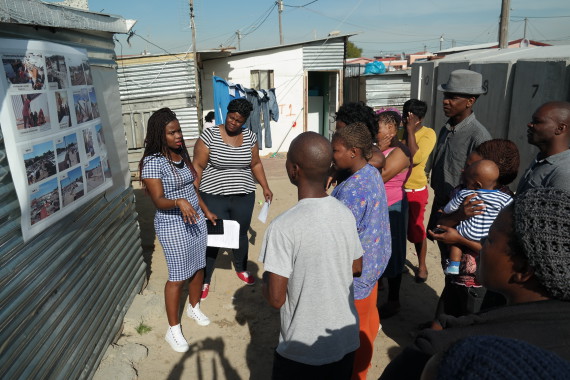
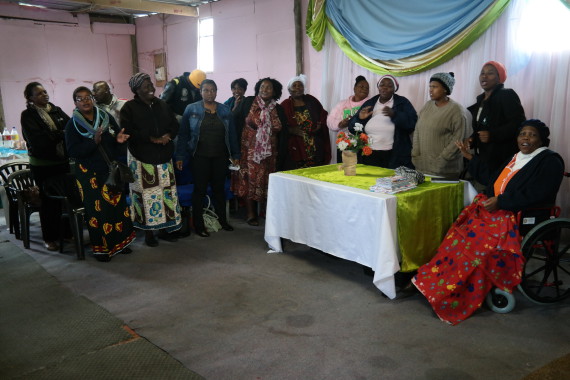
Documentation Workshop

Documentation Workshop

Through its partnership with ISN and the City of Cape Town, Tambo Square is set for upgrading and reblocking in February 2016, which will enable 1:1 service installation. The upgrading of Tambo Square is activating a more nuanced and community-led approach. The partnership between Tambo Square, the Alliance and the City draws on organised community (leadership) structures. These activate community- based savings, data collection and joint partnership meetings with City officials and the Alliance throughout project preparation and implementation.

*Blog compiled by Andiswa Meke and Yolande Hendler (on behalf of CORC)

From Joburg to Manila City: A Photo Story of Community Architects

By CORC, FEDUP, ISN, SDI No Comments

By Jhono Bennett (on behalf of SA SDI Alliance)

This story covers the 2015 exchange trip between South African delegates from the SDI Network and the CAN Network in the Philippines.

Figure 1: Manila City

Figure 1: Manila City


THE EXCHANGE

In 2015, a small delegation from the South African Shack Dwellers International Alliance (SA SDI) attended the  3rd Regional Community Architecture (CAN) Meeting & Workshop. The aim was for the South African delegates to gain first hand experience and learn from the work that CAN practices.

This delegation consisted of 3 professionals and three community members from  SA SDI and were chosen by the alliance for strategic leadership and capacity development to bring back home:

Jhono Bennett 1to1 – Agency of Engagement
Motebang Daniel Matsela CORC
Thembelihle Ngcuka CORC
Phaello Philder Mmole FEDUP
Ofentse Phefu FEDUP
Emmanuel Malinga FEDUP/ISN

As a team, we were expected to try and understand how the CAN works, its practices and tools as well as its members . All this was to be performed  during the series of workshops,meetings and dialogues that the we were exposed to.  We also learned from similar practitioners and community groups who are working on similar problems around the development of disadvantaged communities, such as in South Africa. Ideally we would learn valuable lessons from  CAN in regard to practices of community design and bring these home.

Workshop Background:

The 3rd Regional CAN Meeting & Workshop was held in Manila, Philippines this year between June 16 – June 23 and conducted with the theme:

Together we CAN! People planning for future inclusive cities

Figure 3: CAN workshop Day 1

Figure 3: CAN workshop Day 1


The workshop aimed to:

  • Bring together local and international participants working in different countries in Asia and beyond to exchange and share experiences through community workshops.
  • Provide concrete technical support to actual community initiatives through fieldwork in people centred heritage planning in Intramuros, Manila and city-wide development approach (CDA) in Muntinlupa City.
  • Link with local universities
  • Plan new collaborative future activities with multiple stakeholders to ensure long term change,ultimately the workshop aimed to support the larger mission of the CAN Network which is to:

“..Create a platform to link architects, engineers, planners, universities and community artisans in Asia, who work with communities and believe that poor communities should play a central role in planning their communities, and in finding solutions to build better settlements and more inclusive cities.”

Figure 4: CAN Network diagram

Figure 4: CAN Network diagram

The Workshop:

The delegation arrived on the 15th, and was welcomed by the well organised and energetic CAN management team.

Figure 6: Bangladesh CAN delegates presenting.

Figure 6: Bangladesh CAN delegates presenting.

After an initial series of presentations on CAN and  various organisations that make up the network, individual organisations of the workshop were invited to present themselves and their work.

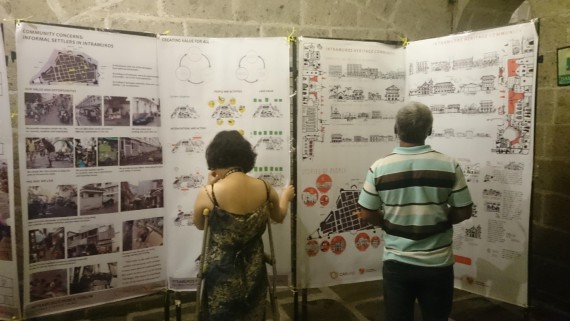
Figure 6: Intramuros site visit.

Figure 6: Intramuros site visit.


Figure 7: Intramuros site visit workshop.

Figure 7: Intramuros site visit workshop.


Figure 8: Site visit to Banana City, Intramuros.

Figure 8: Site visit to Banana City, Intramuros.


From here the next 2 days were spent taking the conference on site visits of where the workshop delegates would be working in Allabang and Intramuros.

Figure 9: Allabang site visit

Figure 9: Allabang site visit


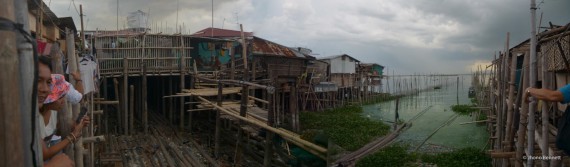
Figure 10: Allabang site visit-Fisherman houses.

Figure 10: Allabang site visit-Fisherman houses.


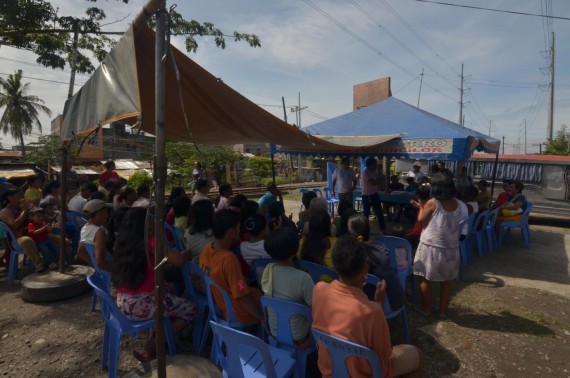
Figure 11: Allabang sitevisit-Savings group welcome

Figure 11: Allabang site visit-Savings group welcome


Figure 12: Allabang site visit-savings group welcome.

Figure 12: Allabang site visit-savings group welcome.


The participants were then broken into smaller groups of practitioners and community members and sent to stay in separate neighborhoods (or Barangays) where each group would focus on a specific set of issues faced by the various community groups supported by the local CAN organisation, Tampei.

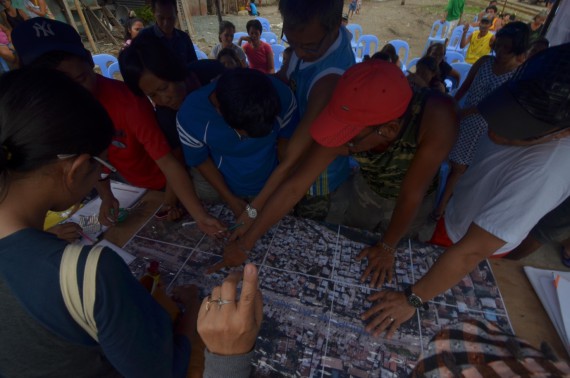
Figure 13: Group focus work in Allabang -Enumeration and Mapping.

Figure 13: Group focus work in Allabang -Enumeration and Mapping.


Figure 14: Group focus work in Allabang- Enumerations and Mapping.

Figure 14: Group focus work in Allabang- Enumerations and Mapping.


Figure 15: Delegates learning CAN practices.

Figure 15: Delegates learning CAN practices.


Figure 16: Group based work in Allabang- Confirming Mapping.

Figure 16: Group based work in Allabang- Confirming Mapping.


Each group spent the week intensively working on enumeration, mapping, and design with and for local groups aiming to initiate development energy supporting community initiatives.

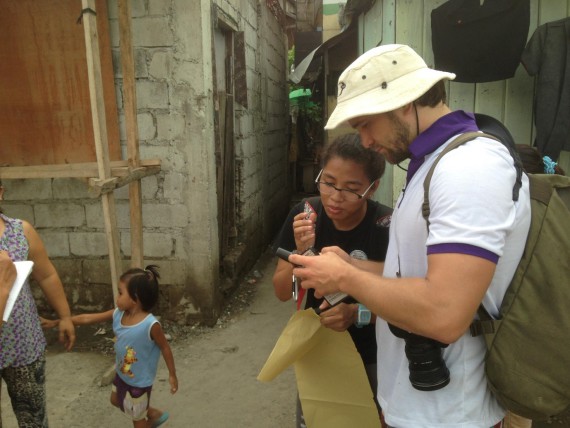
Figure 16: GPS mapping in dense settlements of Allabang.

Figure 16: GPS mapping in dense settlements of Allabang.


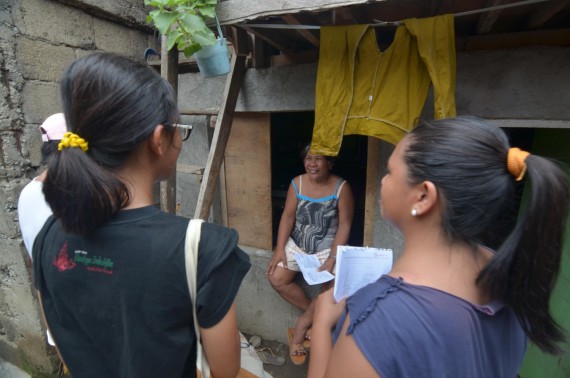
Figure 18: : Group Focus Work in Allabang - Story collection from residents

Figure 18: : Group Focus Work in Allabang – Story collection from residents


Figure 19: : Group Focus Work in Allabang - Community Mapping with residents

Figure 19: : Group Focus Work in Allabang – Community Mapping with residents


Figure 20: Allabang in context.

Figure 20: Allabang in context.


Figure 21: Group Focus Work in Allabang - Enumeration & Mapping with residents.

Figure 21: Group Focus Work in Allabang – Enumeration & Mapping with residents.


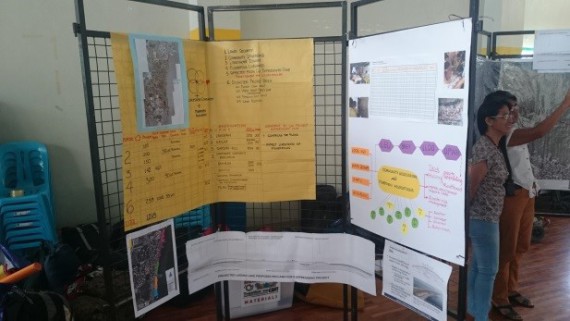
Figure 22: Group Focus Work in Allabang - Consolidating Mapping work for presentation

Figure 22: Group Focus Work in Allabang – Consolidating Mapping work for presentation


Figure 23:: Sharing valuable skills from participants.

Figure 23:: Sharing valuable skills from participants.


This was done while strategically developing a body of work that would be shown to local government stakeholders at a final seminar in both Allabang and Intramuros.

Consolidated Group work for strategic presentation with government stakeholders.


24b

24c

24d

Figure 25: Allabang - Strategic presentation with invited stakeholders

Figure 25: Allabang – Strategic presentation with invited stakeholders


Figure 26: : South African delegate presenting work on behalf of focus group

Figure 26: : South African delegate presenting work on behalf of focus group


Figure 27: Intramuros - Strategic Presentation

Figure 27: Intramuros – Strategic Presentation


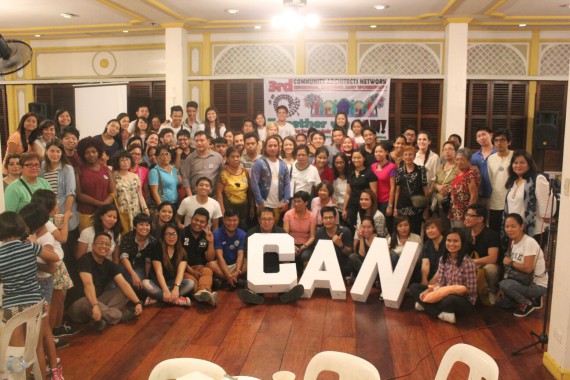
The workshop culminated in a social event on the 24th, celebrating the workshop’s success.

Key Observations:

The workshop was highly successful in bringing together community architects from across the world to share experience and knowledge through the mixture of workshop tasks, social events and working activities.

Figure 28: CAN Practice: intensive workshops

Figure 28: CAN Practice: intensive workshops

The strategic use of these professionals to hyper-activate local community processes was exemplary and not have the visited communities as passive beneficiaries, while using the work developed in the short time to engage local governance bodies to support local community processes was a highly impactful strategy employed by the workshop organisers.

Figure 29: CAN Practice Capacitation through training

Figure 29: CAN Practice Capacitation through training

In particular it was impressive to see how ingrained the practices were conducted by both local community support and technical support. There seems to be something in the way the Philippines alliance work that goes beyond technical support and enters into new cultural and social dimensions of such work.

Figure 30: : CAN Practice - Strategic grass roots work

Figure 30: : CAN Practice – Strategic grass roots work

Personally, it was amazing to be in the presence of so many like-minded professionals who shared the values of community driven processes and were skilled in facilitative design processes.

Figure 31: CAN Practice in action

Figure 31: CAN Practice in action

This experience further cemented my personal motivation in developing critical co-productive design skills for me and other South African socio-technical spatial designers through community driven development projects.

Sharing Knowledge from the Bottom-Up: SDI visits Cape Town Learning Center

By CORC, FEDUP, ISN, SDI No Comments

By Yolande Hendler (on behalf of CORC)

Horizontal learning exchanges form a significant pillar of bottom-up knowledge sharing and a mobilisation tool used by informal settlement dwellers across the Shack/ Slum Dwellers International network. Exchanges are a development tool, which

“help people deal with the root issues of poverty and homelessness and work out their own means to participate in decision-making which affects their lives, locally, nationally & globally. In exchange people are not being trained to do things. They decide themselves what to pick up and what to discard, by visiting others in the same boat. It’s learning without an agenda…on-site, direct from the source, unfiltered”

(Tom Kerr, SDI Secretariat)

In recent years the SDI network has streamlined learning and experience sharing from open ended exchange interaction to a city-level focus in which learning, capacity-building and monitoring is concentrated on four city-level centers of learning. These (Cape Town and Kampala, Mumbai and Accra) were identified due to their capacity to operate at the city scale and demonstrate productive partnerships with government. This blog focuses on a recent visit by the SDI management committee to the Cape Town learning centre, and engages with questions raised by community members around the nature of learning and knowledge sharing in the SDI network.

SAMSUNG CSC

Joseph Muturi, from the Kenyan SDI Alliance poses a question to FEDUP / ISN leadership.

The first morning saw national community leaders from the SDI Alliances of Ghana, Uganda, Kenya, Tanzania, Zambia, and Zimbabwe join the South African Alliance , SDI President, Jockin Arputham, and deputy president, Rose Molokoane, in exploring the approach of community-driven process in South Africa. The South African community movements, FEDUP and ISN, spoke about their involvements in respective community projects relating to land access and negotiation, People’s Housing Process (PHP), security of tenure, ensuring access to basic services, informal settlement upgrading, and income generation projects.

When asked what FEDUP and ISN see as particular achievements, FEDUP’s regional leader in the Western Cape Province, Thozama Nomnga, spoke of the Federation’s Income Generation Program (FIGP), which is funded through a revolving loan fund established through FEDUP’s national savings. As much as the FIGP funds are drawn from savings, the program also grows FEDUP’s membership and strengthens savings practice as personal savings are a prerequisite to accessing a loan.

SAMSUNG CSC

Visiting a savings group and learning about FIGP in Samora Machel.

During the morning, the group visited a savings scheme in Samora Machel township in Cape Town as well as FEDUP’s Vusi Ntsuntsha group. After a warm welcome at Samora Machel, the savings group facilitator, treasurers and collectors spoke about the FIGP, how loan groups are formed, how loans are allocated and the respective finances are calculated. Savings group members showcased their small businesses – ranging from tailored shwe-shwe Dresses, to tuck-shop goods, beaded jewellery and crafts, fat-cakes and chicken. From Samora Machel the visitors travelled to Vusi Ntsuntsha group, hearing about the group’s successful negotiation for land, and the challenges ahead in terms of securing tenure and housing sites. Hassan Kiberu, from the National Slum Dwellers Federation of Uganda (NSDFU) motivated the group to keep unity and hope:

“By unity we win. When you give up you won’t win. We joined the Federation in Uganda because we have so many problems. Like you, there are many that we haven’t tackled yet. It is important that you are firm, don’t lose hope and keep on saving.”

Income Generation businesses by the Samora Macheal savings scheme

FIGP businesses in Samora Macheal.

The remainder of the day was spent in a packed community structure in Khayelitsha where representatives from more than 5 communities had gathered to share their experiences in informal settlement upgrading, community generated data collection, design, mapping, planning and negotiation with local government. The visitors were introduced to an area-wide upgrading approach around a wetland and the accompanying lengthy negotiations with local government. They also heard about a completed reblocking upgrade in Flamingo Crescent informal settlement and the process of planning for reblocking in three additional settlements.

In conversations and questions posed throughout the day – a recurring interest occurred among community participants concerning the nature of ‘learning’, the necessity for transparent sharing during  community exchanges and what it means to be an “SDI learning centre”. Joseph Muturi from the Kenyan Alliance’s Federation, Muungano Wa Wanavijiji, raised the value of sharing challenges as freely and as frequently as successes.

“How can we learn from each other if we don’t share our challenges? We know that we can learn from every SDI country. In learning centres there is something specific we can learn. But we don’t expect them to be perfect –there will always be challenges, and we need to learn from them.”

Community gathering in Khayelitsha on informal settlement upgrading.

Community gathering in Khayelitsha on informal settlement upgrading.

On this note, ISN shared the difficulties of navigating tensions between steering committees and communities, the rivalry between different civic organisations, varying levels of co-operation from Councillors and long delays by city councils that cause disillusionment in communities. Kenyan representatives spoke about their ability to secure tenure for 10 000 informal settlement dwellers through bio-metric data collection, using mobile phones – learnt from the interaction between Ugandan Federation members and their City officials. In reflecting on the exchange, Nkokheli Ncambele, provincial ISN coordinator, echoes the value of bottom-up knowledge generation in exchanges:

“It was very beneficial to be exposed to savings and the FIGP businesses – we managed to send a successful message to community leaders in Khayelitsha about upgrading and savings. We learnt how other countries use their profiling data to engage with the City. We need to do the same”.

Shack dwellers ground global debate at Future of Places Forum Sweden

By CORC, FEDUP, ISN, SDI No Comments

By Adana Austin (on behalf of CORC)

As global cities continue to rapidly expand, how can we encourage equitable growth that would foster safe communities, sustainable development, and an increased standard of living for the world’s urban poor? The Future of Places forum (FoP) features three international conferences, national seminars, books, and reports in preparation for Habitat III. The forum serves as a collaborative platform and training opportunity for researchers, policy makers, advocates, and civil society focused on issues concerning public spaces.

The SA SDI Alliance  representatives joined the Ugandan and Zambian SDI Alliances in attending the third FoP conference in Sweden (29 June – 1 July 2015) that focused on ideas and desires for future urban spaces.

"Informal settlements are fastest growing areas in cities"

“Informal settlements are fastest growing areas in cities”

Why ‘Future of Places’?

The objective of FoP is to provide a platform for a multidisciplinary international discourse on the importance of public space and its potential impact on the New Urban Agenda for the 21st century in response to the Post 2015 Sustainable Development Goals (SDGs) and in preparation for the Third United Nations Conference on Housing and Sustainable Urban Development (Habitat III) in 2016. Habitat III presents an opportunity for innovative collaboration (or “international community”) to address contemporary challenge to urbanization.

FoP was organized and funded by the Axel and Margaret Ax:son Johnson Foundation. Its collaborative partners are UN Habitat and Project for Public Spaces. The forum serves a network of over 500 organizations and more than 1500 individuals. The first conference took place in Stockholm in 2013, discussing the importance of a “people centered” approach to urbanization. The seconded convened in Buenos Aires in 2014, examining “streets as public spaces and drivers of prosperity”.

Evelyn Benekane (FEDUP coordinator Eastern Cape) and Charlton Ziervogel (CORC Deputy Director) present Flamingo Crescent Upgrading.

Evelyn Benekane (FEDUP coordinator Eastern Cape) and Charlton Ziervogel (CORC Deputy Director) present Flamingo Crescent Upgrading.

Alliance Presence, Community Voices

The Alliance presence at the three-day conference offered a perspective of open spaces in informal settlements and highlighted the grounded experience of shack dwellers and the importance of their voice in global decision-making forums. The Ugandan community leaders gave a presentation on the potential growth within informal market places and market development. Community leaders from South Africa discussed the recent Flamingo Crescent upgrading project, which sparked the interest of urban planners, organizers, and policy makers from cities around the world. The presentation, and discussions that followed, also shed light on the reality that there is often an underrepresentation of shack dwellers in discourses and plans regarding space and inclusive cities. Such initiatives also tend to lack a strong presence in the Global South.

ISN community evaluates co-produced settlement design for community-led upgrading in Mfuleni, Cape Town.

ISN community evaluates co-produced settlement design for community-led upgrading in Mfuleni, Cape Town.

However, as Habitat III approaches, several questions need to be answered in practice if global planning for more inclusive cities is to be successful:

  • How can we ensure that shack dwellers play a foundational role in the articulation of threats, challenges, and potential solutions to urbanization? It is not enough for communities to simply be mentioned in the discussion. Instead they should mold language use to describe their realties.
  • How can we understand and consider the realities of the Global South during international discussions and planning?
  • How do we engage with shack dwellers to rethink concepts of space and access in growing cities globally?
  • How do we bridge gaps between academia, civil society, policy, and communities during the inception and conception of the new urban agenda?
  • How can communities of shack dwellers influence a global advocacy strategy?
  • What indicators should we employ when measuring the success of our efforts?

While the presence of shack dweller representation and community-based movements was lacking at Future of Places, the SA SDI Alliance intends to have a presence at Habitat III so that community leaders are in attendance to speak for themselves and their communities. Habitat III will set the agenda for urban concerns for the next 20 years. It is imperative that these platforms are used strategically and that shack dwellers are not forgotten in that agenda.

Community leaders of Tambo Sqaure informal settlement in Mfuleni , Cape Town present their plans to the local municipality.

Community leaders of Tambo Sqaure informal settlement in Mfuleni , Cape Town present their plans to the local municipality.

How Sporong community negotiated service delivery in Gauteng

By ISN No Comments

By Kwanele Sibanda (on behalf of CORC)

According to how the Informal Settlment Network (ISN) demarcates Midvaal informal settlements; Sporong informal settlement falls under cluster 3. Sporong is a relatively small informal settlement with 17 households and holds a population of about 70 people. The settlement falls under Boltonwold that is about 10kms out of Meyerton. It is one amongst a number of Midvaal informal settlements located in secluded farm areas with residents living in abject poverty.

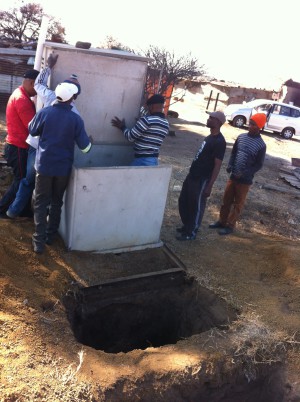
Many hands make light work - installing toilets in Sporong.

Many hands make light work – installing toilets in Sporong.


The first tenant of Sporong is Ntate Tladi Mokgobo. He has lived in the settlement for over 50years. He settled on the land when he was given permission by the owner to construct a shack and pay a monthly rental fee. The steady growth was experienced as more farm workers from nearby farms needed accommodation. Currently, all tenants pay R100 per month to the landlord, for the informal structures they reside in (shacks). The R100 per month rental fee might be viewed as affordable; however the recent eviction of one of the tenants suggests that affordability is not for all. The provision of informal structures by a private landlord to rent coupled with no basic services was insidious. The first settler expressed an in depth understanding of the alliance and its approach to ameliorating challenges in informal settlements. He furthermore asserted that any community’s failure to cooperate with such interventions makes a folly act.

From each one of the three clusters of Midvaal, one settlement was chosen for a pilot project. Out of the profiling exercise, prioritized projects were identified. The main objective of undertaking the pilots is that of demonstrating to the Municipality what is of interest to the communities and their efforts with the aim of negotiating and scaling up relevant service delivery.

Savings mobilization

Savings mobilization

In the context of Sporong, the prioritized project was that of toilets. The settlement of about 70 residents has been using a nearby bush as their toilet and they describe the situation as demeaning. The two pit toilets that were put up by the Municipality got filled up years back and have never been drained. The sanitation challenge is one that is mirrored in informal settlements across Midvaal.

ISN and FEDUP’s intervention was that of engaging the community leaders and community at large with the aim of motivating them to start working towards self-sustenance. Upon verifying with the leaders that the toilet project is a priority as indicated in the profile; the project was then scheduled. Community participation and resources in form of tools were put to good use and the top structures of the full pit latrines were repositioned. The toilet project ran concurrently with the savings mobilization. The savings team was led by Rosy and Nompi. With the women of Sporong, the two aforementioned; shared the history of the SDI alliance, savings and how they have personally benefitted from being members of savings groups. The FedUp leaders currently await a date for the savings implementation.

Full pit toilet dismantled

Full pit toilet dismantled

Repositioning and assembling the top structure

Repositioning and assembling the top structure

Alliance and Community Architects Network plan inclusive cities in Philippines

By CORC, FEDUP, ISN, SDI No Comments

By Andiswa Meke (on behalf of CORC)

From 16-23 June 2015, the SA SDI Alliance joined community designers and architects for the third regional workshop of the Community Architects Network (CAN) in Metro Manila, Philippines. The Alliance team consisted of 3 FEDUP and ISN community members who are involved in managing community construction as well as two of CORC’s community architects. The workshop was hosted by CAN’s Philippine Alliance organisations of HPFI (Homeless People’s Federation Philippines Inc.), TAMPEI (technical Assistance Movemnet for People and Environment Inc.) and PACSII (Philippine Action for Community-led Shelter Initiatives, Inc.),

CAN 8

The theme of the 2015 workshop was “Together we CAN! People Planning for future inclusive cities”, emphasizing that strong partnership can yield excellent achievements. There was an estimate of one hundred attendees from different countries (representatives from public institutions, academia, CBOs and NGOs). The workshop spanned eight days and involved several activities: getting to know the Philippine context, sharing various country experiences updates on approaches and experiences of community architecture, reflection sessions and exhibits.

The group split to do community fieldwork in two locations in Metro Manila, the heritage site Intramuros and Muntinlupa City. The SA SDI Alliance members had the honor to work on more than two groups and with different communities. The Alliance sent five members to attend with the aim of exposing them to the programme and gaining knowledge to apply in South African community upgrading. The alliance looked to build and strengthen partnerships and lobby potential stakeholders.

CAN 13

CAN Background

CAN is a regional network of community architects that focuses on improving the living conditions of poor communities in Asian countries through community-based projects under the Coalition of Community Action Program (ACCA) regarding people housing, city-wide upgrading and recovery from disaster . CAN has opened opportunities for interested young professionals, academic institutes NGOs, CBO`s to come and engage with design skills to support communities in finding solutions to their own needs.

CAN 2013 Workshop: PEOPLE CAN MAKE CHANGE

In 2013, a workshop of the same nature took place under the theme “People CAN make change and progress”, where communities were introduced to bringing about change through acquiring tools, skills and information. Communities were taught different skills from mapping and savings to profiling. After the ten day workshop, the community members and architects came up with solutions that would push local government towards building avenues that would represent the people as well as a building plan that would be community driven and understood. The network strongly believes that the role of community architects is to build the capability of people through participatory design and planning so that people themselves become the solution.

CAN 2015 workshop: TOGETHER WE CAN

On the opening day, the host city Intramuros held a number of talks that gave an overview of Philippines informal settlements and introduced city-wide development approaches in Asian cities. The delegates were split into groups and sent to different cities around the Philippines. The purpose was for delegates to identify and resolve issues and share knowledge around the communities.

A public forum took place on the eighth day, where all groups presented their findings and suggestions and were given the opportunity to select the best plan for each community and share their experiences surrounding their visit.

CAN 53

CAN 45

Challenges for the re-blocking group in informal settlement Sitio Pagkakaisa, Manila

  • Community members who don’t want re-blocking.
  • Critical challenge was the materials the houses were built in, which would not be easy to remove. In some informal settlements people have already secured land tenure with their subsidy money and their savings, they now fear that they will be unable to build houses once the re-blocking takes place

Challenges for the Intramuros, Manila

  • Finding a solution to better the high density of the settlements
  • The most challenging part was designing an upgrading plan that would address the needs and embrace the heritage of the Intramorous communities
  • Issue of land tenure and people living in private land deemed as a major challenge in upgrading –related processes.

CAN 33

Learning points

  • A community’s knowledge of its settlement is essential for drafting development plans and interacting with government officials about pressing issues in informal settlements. The community seemed informed of the development plan and where they are lacking in terms of services.
  • The partnership between local officials and the community is vital. It is kept strong to an extent that the municipality is willing to communicate and engage with communities regarding housing and informal settlement upgrading.
  • When community leaders have a good relationship with community members, they make informed decision together.
  • Savings is the pillar of creating communal consistency in the informal settlement
  • SA SDI Alliance members learnt how to engage with problem solving in the context of a different country, how to use existing SDI tools in a completely different setting and an approach to building communities with a strong heritage value who showcase this in their planning.
SA SDI Alliance Team

SA SDI Alliance Team

Outcomes of the exchange

  • Intramuros: Suggestions for sustainable and participatory options for informal settlements in Intramuros heritage site, in context of its revitalization plan.
  • Muntinlupa: Suggestions for holistic solutions for informal settlements located in high risk zones with insecurity of tenure
  • CAN delegates managed to advocacy for interaction between Muntinlupa City and its Barangays.
  • New CAN attendees were exposed to the practical implementation of SDI rituals
  • CAN delegates gained membership of the CAN

From Re-blocking to Housing: Lwazi Park – CPUT Studio 2015

By CORC, ISN No Comments

By Yolande Hendler & Andiswa Meke (on behalf of CORC)

In April 2015, the community of Lwazi Park embarked on a four-week design studio that investigated affordable solutions for incrementally improving dwelling structures in the settlement. Through its affiliation to the Informal Settlement Network (ISN) and Community Organisation Resource Centre (CORC), the community partnered with fourth year students of Architectural Technology from the Cape Peninsula University of Technology (CPUT) as well as a visiting group of students from the Reunion Island arm of the Ecolé National Superier d’Architecture Montpellier (ENSAM).

CPUT & Reunion Students visit Lwazi Park.

CPUT & Reunion Students visit Lwazi Park.

Lwazi Park Informal Settlement

Lwazi Park is situated in Gugulethu, near the N2 freeway in Cape Town. The settlement is now home to thirty-eight households and a primary school adjacent to the area. Its first inhabitants are alleged to have occupied the space in the mid- 1990s, when they built informal dwellings near the Lotus River. In 2001 the informal settlement stretched from Klipfontein Road up to the Eastern edge of Gugulethu. Lwazi Park is characterized by canals that were built fifty years ago, with the purpose of draining the flood plains for communities who were forcibly removed from the city centre during the apartheid era. Today, these canals are polluted and flood every rainy season.

View of Lwazi Park canal

View of Lwazi Park canal

Past Studios Paving the Way for Lwazi Park

The relationship between Lwazi Park community and the SA SDI Alliance dates to 2011, when the community, Alliance and City of Cape Town began to address a pending relocation of the informal settlement. Click here for more background. CPUT’s architectural technology students first participated in joint design studios with ISN & CORC in 2011 working on subsequent collaborative design in Vygieskraal and Manenberg.

The 2015 Lwazi Park studio was convened as a response to the community’s desire to explore options for further in situ upgrading after re-blocking in 2011. This is one of the first Alliance studios focused on incremental housing typologies for a settlement that has already undergone re-blocking. The studio thus reflects the incremental and cumulative nature of informal settlement upgrading. Perhaps even more significantly it speaks to a context-specific and community-centred approach.

Lwazi Park after reblocking in 2011

Lwazi Park after reblocking in 2011

Within the Alliance, studios play a significant role. On the one hand they support community negotiations with local authorities: through a collaborative approach studios bring about community-informed design typologies. On the other, they challenge and extend existing disciplinary norms in architectural thought and practice. CPUT Lecturer, Rudolf Perold, explains that such approaches are anomalies in

“the field of architecture, which often does not make provision for design in informal areas let alone consider the community’s lived context as informing appropriate and relevant design solutions*.”

In this sense collaborative design studios generate ideas and debate on alternative housing design and delivery options that address residential environments within existing and challenging urban conditions.

Lwazi Park Studio Content: incremental housing typologies

In practice, the studio comprised a site visit to Lwazi Park and two collaborative design instances between community representatives, students and Alliance representatives (ISN & CORC) who provided social support and facilitation. The students were tasked to develop a spatial development/master plan for the settlement’s in-situ upgrading to two to three story residential buildings as well as housing typologies that would respond to the social needs and spatial context of Lwazi Park community.

Lwazi Park community leader engages students around their questions.

Lwazi Park community leader engages students around their questions.

During the site visit community members introduced students to the physical layout and context of their settlement, lived realities, daily challenges and needs. These include the lack of a multipurpose / community hall or a nearby school. A central concern was the lack of funding provided by the city to help improve the standard of living. The community also expressed a desire for a safe place for their children to play in. A further concern related to drug abuse by the youth and the unsettling rate of crime.

Once the site visit had been completed and some preliminary insight gathered from community members, the design process began. CPUT lecturer Rudolf Perold explains,

“Their [the students’] point of departure was the community representatives’ assertion that they were set on obtaining tenure security and upgrading their settlement. Having had to adjust their approach based on the input received (albeit not representative of the entire community’s wishes) the complexity of balancing the community’s needs with your own design intent became clear”.

Challenges and Learning Points

In reflecting on the studio, CPUT lecturer Rudolf Perold highlights learning points for the students

  • The relationship between designer and occupant was crucial to the design process and triggered an empathy which contributed to the success of the design outcomes
  • The situated knowledge of community representatives and the Alliance proved integral to the development of the site layout and housing typologies
  • Students were sensitized to lived realities in informal settlements
  • “These experiences show that designers require a broadened skill set if they are to prove themselves useful in a context of mediation between poor urban communities and local government…- acting, as Stephen Lamb of Design-Change says, as interpreter of community needs rather than the holder of professional knowledge”
  • CPUT-based studio with input by community representatives, ISN & CORC.

CPUT-based studio with input by community representatives, ISN & CORC.

In addition a CPUT student added,

“Realising how people adapted to their living conditions in Lwazi Park and how these conditions push people to learn to survive, was a learning curve for me.”

For both the students and the Alliance a core challenge was experienced by the lacking attendance of enough community representatives in campus-based contact sessions. The students gained some community input during the site visit, which helped to contextualize and ground their work. The lack of community representation, however, speaks to a need for more social facilitation between the different actors involved so that the jointly designed plans can indeed be presented to the municipality.

  • CPUT quotations taken from “Perold.R., Devish, O., Verbeeck, G. 2015. Informal Capacities: Broadening Design Practice to Support Community –Driven Transitions to Sustainable Urbanism. Working Paper.
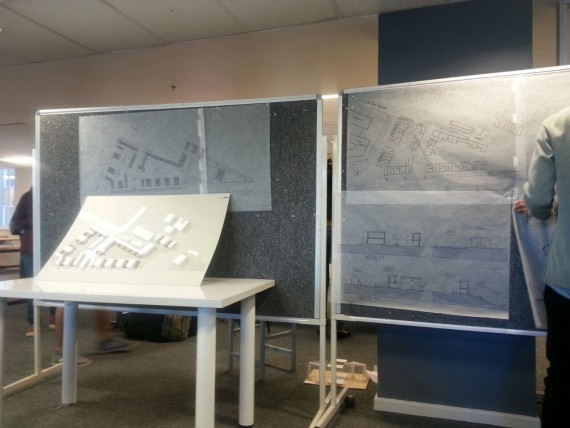
Presentations of master plans and housing typologies

Presentations of master plans and housing typologies

Final Student Presentations

Final Student Presentations

Partnership in Mossel Bay: FEDUP and Provincial Minister launch houses

By FEDUP, uTshani Fund No Comments

By Yolande Hendler (on behalf of CORC)

FEDUP savers, Norman Bless, Provincial Minister and Municipal representatives infront of Norman Bles' new house

FEDUP savers, Norman Bless, Provincial Minister and Municipal representatives infront of Norman Bles’ new house

It’s a rainy June afternoon in KwaNonqaba, an area of informal settlements and state-subsidised housing on the outskirts of Mossel Bay. Singing arises from a tent pitched nearby a newly finished house – FEDUP members awaiting the arrival of Western Cape MEC for Human Settlements, Bonginkosi Madikizela. Among the group is FEDUP saver, Norman Bles, homeowner of the newly finished house. The day marks the official opening of his house – as well as four additional FEDUP houses. It also marks a breakthrough in the relationship between Mossel Bay municipality and the local groups of FEDUP savers – the beginnings of a partnership after over a decade of negotiations.

FEDUP savers celebrating the house opening and new partnership formation

FEDUP savers celebrating the house opening and new partnership formation

Tracing FEDUP’s history in Mossel Bay

Thozama Nomnga, Western Cape coordinator for FEDUP, recounts how in the early 1990s the movement had built 33 houses in partnership with the municipality. After a period of disengagement, FEDUP returned to Mossel Bay in 2006, re-connected with old savings schemes and the municipality, particularly around the KwaNonqaba housing project, which, at the time, was pegged at 110 houses. Due to changes in leadership and member affiliation to savings schemes, the municipality eventually pledged 35 houses in 2013. On 2 June 2015, the completion of the first 5 houses was officially celebrated along with the formal opening of the new house of Norman Bles.

Tracing the story of FEDUP’s Norman Bles

FEDUP member, Norman Bles, with his family infront of the newly finished house.

FEDUP member, Norman Bles, with his family infront of the newly finished house.


As Norman Bles, reflects on his journey with FEDUP, he explains that he has been waiting for a house since 1993. Originally from Mandela Zone 5, he began saving with (what is now called) FEDUP in 1993. Over the years he left and re-joined the Federation several times – in the early 1990s due to a perceived lack of municipal support for housing and later due to uncertainties in the saving group leadership. During the constant changes in membership and saving participation, Norman speaks about his encounter with a fellow saver, who emphasised the importance of savings. This encouraged him to re-join the movement and eventually form his own savings scheme.

“Because we liked the Federation and understood the rituals of SDI [Shack/Slum Dwellers International], I went back to my house, talked to the people and said, ‘Let’s open a savings group in my house.” Other people joined us and we have been saving until now”

(Norman Bles, FEDUP homeowner, Mossel Bay)

He explains how together with FEDUP he continued negotiating with the municipality for housing.

“We kept negotiating because I wanted a bigger house [than] the small houses the municipality was building. The promise that we would get bigger houses with uTshani Fund [FEDUP] is what gave me hope to continue saving. I have a wife and kids who now have a place to sleep. It is no longer in a small shack. Today there is no rain that will get my children.”

(Norman Bles, FEDUP homeowner)

Launching a house, building a partnership


At the launch itself, Western Cape FEDUP leader, Thozama Nomnga, described the day as “the start of a partnership with Mossel Bay municipality.” Both the minister and Mossel Bay Head of Department (HoD) for Human Settlements echoed this sentiment. In particular, the minister emphasised that the government needed to acknowledge its setbacks and work harder at making [housing opportunities] happen:

“What you are doing [as an Alliance] is directly in line with our strategic objectives in the Western Cape. You have proven that you have the capacity to do this thing [build your own houses]! Why can’t we use the Alliance to do these things in a number of settlements so we can really become partners. It might only be 5 houses but there are more coming. We want to change the landscape.”

(Bonginkosi Madikizela, Western Cape MEC for Human Settlements)

Thozama Nomnga, Western Cape FEDUP coordinator

Thozama Nomnga, Western Cape FEDUP coordinator


Johan van Zyl, Mossel Bay HoD, speaks of the municipality’s mindset shift that enabled a more people-centred approach. While previous municipal programs and approaches were characterised by little coordination and cooperation between the municipality and communities, a meeting initiated by the provincial minister introduced an alternative view of community engagement. Coupled with a successful Govan Mbeki Award, a national reorientation toward more community support and continuous negotiation, the municipal mindset in Mossel Bay began to change:

“[We] have to have partnerships. Municipalities and government can’t do anything on their own….That is why the minister [indicated] that these initiatives will be supported by government to create more housing opportunities”

What underpins a partnership?

KZN FEDUP Coordinator, MaMKhabela

KZN FEDUP Coordinator, MaMKhabela


While FEDUP celebrated the completion of 5 houses, the road ahead is a long one. After over a decade of negotiations with Mossel Bay municipality and repeated submissions of project plans, the municipality seems receptive to a community-centred approach and to the People’s Housing Process (PHP). For Thozama, this certainly indicates the potential for partnership. Yet in order to build a strong partnership, the challenges need to be addressed – particularly in terms of delays in implementation. What underpins a people-centred partnership then?

“As FEDUP are are not saying people must grab land. People need to negotiate with government. We respect the government and our councillors. But the government also needs to respect us as communities. Because if we are not there, there will be no government”.

(KZN FEDUP leader, MamKhabela, at the Mossel Bay launch)

Building Continuity: Denver Community and University of Johannesburg Studio 2015

By CORC, FEDUP, ISN No Comments

By Motebang Matsela (on behalf of CORC)

From 27 April to 22 May 2015, the community of Denver informal settlement in Johannesburg partnered with students from the University of Johannesburg’s (UJs) Department of Architecture in a collaborative design studio. Such studios focus on co-producing ideas, scenarios, plans and typologies on informal settlement upgrading and housing. Denver’s first collaborative studio took place in 2014. It was the first of consecutive, annual studios that would build on previous work and span a period of 3-5 years. The 2015 studio therefore started where the last studio ended, focusing on establishing tangible outputs such as a collaborative design handbook and a catalogue of dwelling typologies.

20150605072345

Co-producing Ideas: Denver Studio 2014

In 2014 the studio catalysed the generation of co-produced mapping and socio-demographic data on the settlement. The aim was to formulate community action plans (CAPs) for Denver Settlement in an effort to encourage short-term community initiatives and to support further productive discussion with local government agencies and other stakeholders regarding incremental upgrading in informal settlements. It also introduced students to the necessity and value of planning with communities, shifting the focus from traditional ‘top down’ delivery towards ‘responsive’, community-orientated approaches. For more background on the settlement and the 2014 studio click here.

Aerial view of Denver informal settlements

Aerial view of Denver informal settlements

A growing partnership

The idea of co-production suggests the involvement of different stakeholders. For this studio, therefore, the role players included Denver community members and leadership, the Ward Councillor and community representative, a collective of community volunteers assembled at various stages of the long-term studio, Aformal Terrain in partnership with the Department of Architecture at UJ and its students and the Alliance’s ISN, FEDUP and CORC who offered technical and social support and facilitation.

Unlike previous studios that customarily take place in informal settlements, the Denver studio had to change venue when xenophobic violence broke out in Johannesburg. The socio-political atmosphere of the violence and hostel raiding was deemed an unsafe environment to operate under.

20150605070039

As indicated, the collaborative outcomes are valuable aspects of the studio’s work. Based on the experience of last year’s studio, Gauteng’s ISN leaders highlighted the need for community members to gain tangible skills throughout the studio and upgrading process just as the students do. Each stage (module) of the studio therefore couples a community member’s practical participation in the studio with project management skills. In this year’s studio, more emphasis was placed on community participation and benefit.

This led to a revision of the 2014 Memorandum of Understanding (MoU) formalising the partnership between the SA SDI Alliance and UJ’s Architecture Department.

Some of the changes were highlighted in terms of:

  • The precedence of the relationship between Denver community and SA SDI Alliance
  • Denver community decisions will be respected and take priority within this project
  • Any data generated by the community residents will remain the property of the residents. Copies of any formal information packages generated from the studio engagement will be made available to community leadership.
  • All parties agree to inform each other in writing around documentation, marketing or exhibiting of the Denver project. The documentation will sufficiently acknowledge the role of each party and most importantly the residents’

Building Continuity: Denver Studio 2015

The objective of this studio was to incrementally build on the content of the 2014 studio, creating continuity and ongoing engagement between past and future studios. It also aimed to develop a collaborative design ‘handbook’; a catalogue of typologies of dwellings in informal settlements with related strategies for improvement through self-build, co-ops, CBOs, local government assistance, infrastructure etc.

This investigation focused on three main issues;

  • site (the physical)
  • planning (spatial and developmental)
  • policy (strategies from governmental level)

20150605070105

The intention was that these three focal areas would form a broad scale critical inquiry into current upper strategies for informal settlement upgrading and as a starting point suggested possible linkages with existing bottom-up initiatives.

It is envisioned that the outcomes will come to fulfilment in various forms through the studio process over the next 3-5 years in the form of awareness and knowledge packs about the settlement, site handbooks and guides on in-situ upgrading at various scales (shelter, site, policy, planning etc.), design studies for future densification and longer term formal development. A number of other valuable outputs not limited to this list will be determined through the studio process.

These potential outputs aim to bridge the gap between current bottom-up and top-down strategies already active in Denver – aiming to ‘connect’ community initiatives and local government intentions in more productive conversations toward improvement.

20150605070125

The studios final presentations tabled prototype-scenarios generated in response to a three-week focused research exercise focusing on 3 scales;

  • Dwelling-and-Neighbourhood,
  • Planning
  • Policy

In this final week (loosely termed ‘rapid design prototyping’) students worked in mixed groups, integrating information from the 3 earlier foci with the aim of generating scenarios for the potential improvement of Denver Informal Settlement. It is intended that these scenarios become useful tools for engagement with the residents of Denver in focused workshops and engagements during the course of this year.

Minister Sisulu appoints Rose Molokoane to Council of Social Housing Regulatory Authority

By CORC, FEDUP, News, SDI, uTshani Fund No Comments

The South African SDI Alliance, together with SDI, is excited to announce that last week national minister of Human Settlements, Lindiwe Sisulu appointed Rose Molokoane to the Council of the South African Social Housing Regulatory Authority (SHRA). Molokoane is founding member and national co-ordinator of the SA Alliance, the Federation of the Urban and Rural Poor (FEDUP) and Deputy President of SDI.

Minister Lindiwe Sisulu (left), with Jockin Arputham (SDI president), Zoe Kota-Fredericks (Deputy MInister) and Rose Molokoane (right) at National Human Settlements Indaba 2014

Minister Lindiwe Sisulu (left), with Jockin Arputham (SDI president), Zoe Kota-Fredericks (Deputy MInister) and Rose Molokoane (right) at National Human Settlements Indaba 2014

Rose Molokoane

Rose Molokoane

In her appointment letter Minister Sisulu writes,

“Your appointment to the Council of the Social Housing Regulatory Authority is in recognition of your unique set of skills and expertise, and I am confident that your contribution will be meaningful.”

The SHRA works together with the Department of Human Settlements at all tiers, the National Housing Finance Corporation and international actors to develop the social rental housing sector for the delivery of rental housing accommodation to low and middle income earners.

The SHRA’s vision is to regulate and invest in the development of affordable rental homes in integrated urban environments through sustainable institutions. Some of the functions of the SHRA include:

  • Promote the development and awareness of social housing by providing an enabling environment for the growth and development of the social housing sector.
  • Provide advice and support to the Department of Human Settlements in its development of policy for the social housing sector and facilitate national social housing programmes
  • Provide best practice information and research on the status of the social housing sector
  • Support provincial governments with the approval of project applications by social housing institutions
  • Provide assistance, when requested, with the process of the designation of restructuring zones
  • Enter into agreements with provincial governments and the National Housing Finance Corporation to ensure the co-ordinated exercise of powers
Rose Molokoane facilitates daily savings workshop for FEDUP treasurers and collectors in Limpopo

Rose Molokoane facilitates daily savings workshop for FEDUP treasurers and collectors in Limpopo

Molokoane is a resident of Oukasie township near Brits in North West Province, and a member of Oukasie savings scheme. A veteran of the anti-apartheid struggle, she is one of the most internationally recognised grassroots activists involved in land tenure and housing issues. FEDUP has supported more than 150,000 shack dwellers, the vast majority of whom are women, to pool their savings. This has won them sufficient standing to negotiate with government for a progressive housing policy (People’s Housing Process) that has produced over 15,000 new homes and secured more than 1,000 hectares of government land for development.

Molokoane has initiated federations of savings schemes throughout Africa, Asia, and Latin America. She was awarded the UN-Habitat Scroll of Honor in 2005 for her struggle to bring land and homes to the poor.

Rose Molokoane with members fellow members of SDI board and council from Uganda and Tanzania.

Rose Molokoane with fellow members of SDI board and council from Uganda and Tanzania.

Rose Molokoane with FEDUP Western Cape members

Rose Molokoane with FEDUP Western Cape members